


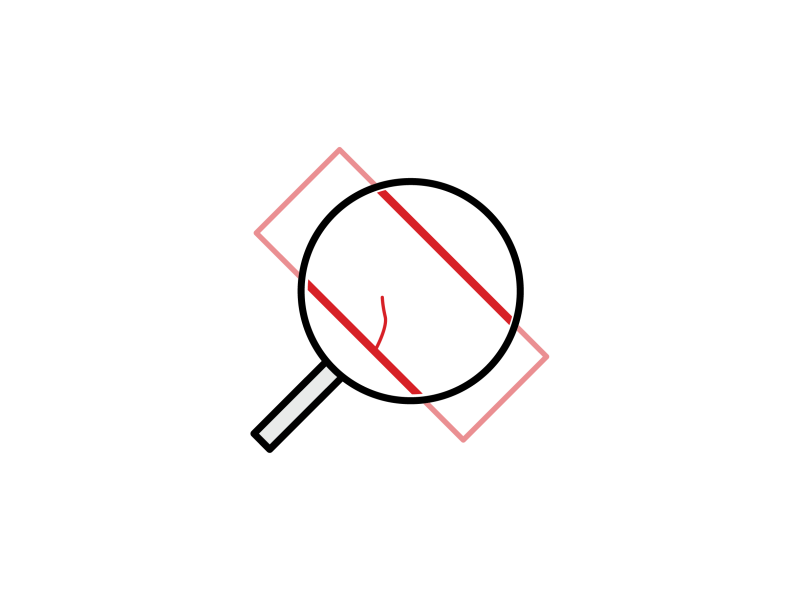
- ノイズの多い画像でも微細な欠陥や汚染を検出
- インライン検査のための高速処理
- ラインカメラおよび2Dカメラからの取得に対応
- オプション:部品エッジ上の関心領域事前位置合わせ
- オプション:欠陥のディープラーニング分類
- シンプルかつ包括的なC++、C#、Python API
説明
インライン表面検査のためのリアルタイム処理
EasySpotDetectorは2段階アプローチにより、他のディープラーニングベースの物体セグメンテーション処理よりも高速です。Intel i7-10850H搭載コンピュータでは、1秒あたり最大200メガピクセルの処理が可能です(検出のみ)。分類処理はGPU操作の恩恵を受けられますが、OpenVINOによりCPU上での実行にも最適化されています。
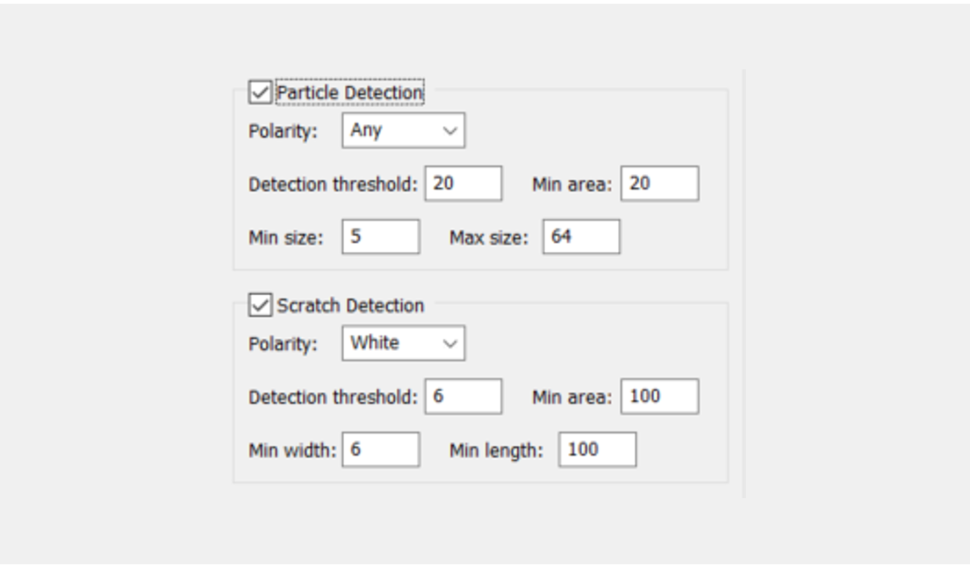
欠陥セグメンテーション制御用パラメータセット
明示的なパラメータセットにより、ユーザーは特定の欠陥をターゲットに設定できます。欠陥のタイプ(粒子、スクラッチなど)、外観(明るい、暗い、または両方)、サイズ、最小コントラスト(強い欠陥または弱い欠陥)を調整可能です。
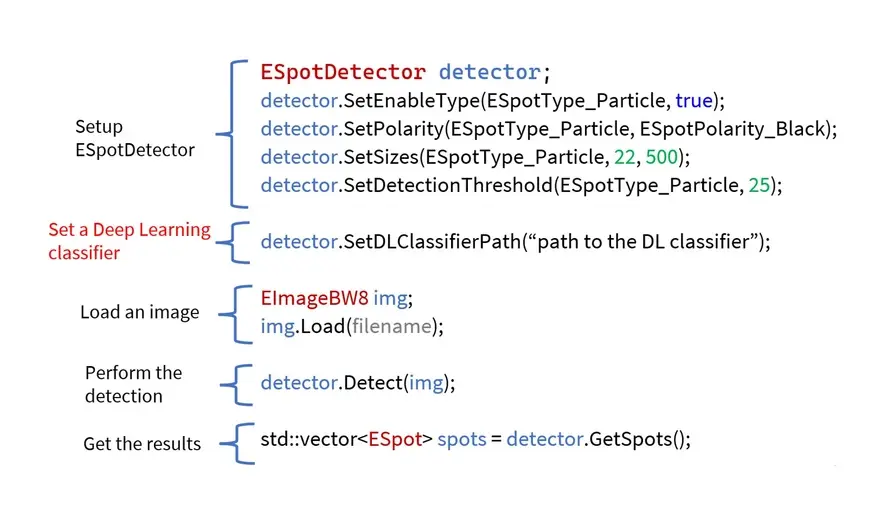
シンプルで包括的なAPI
EasySpotDetectorは、関心領域(ROI)の位置合わせ、表面上の欠陥検出、およびカスタムトレーニング済みディープラーニング分類器による分類を単一のAPIで提供します。
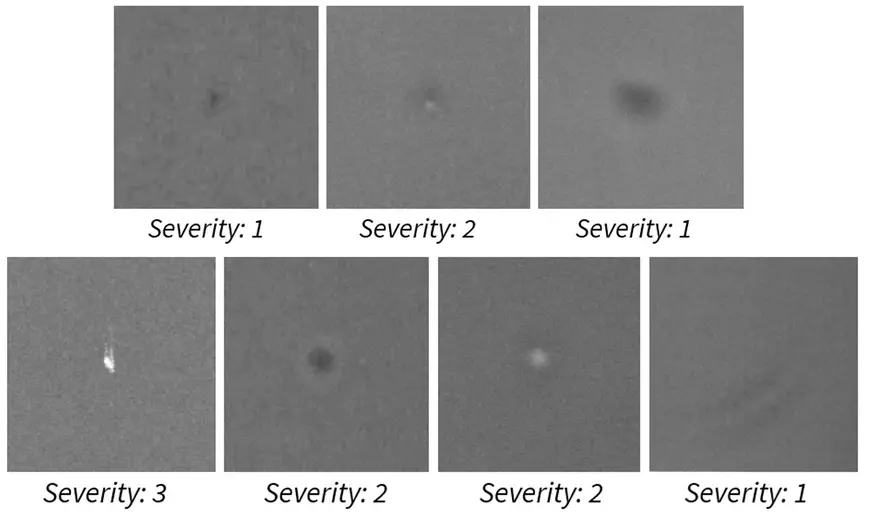
カスタム訓練済み深層学習オブジェクト分類器
検出されたオブジェクトは深層学習分類器に送信できます。この分類器は、ユーザーフレンドリーなDeep Learning Studioを使用して、ユーザーが自身の特定の用途に合わせてトレーニングします。分類器の可能な用途は以下の通りです:
- 検出候補の確認または無効化。
- 欠陥の深刻度レベルを評価する。
- 検出されたオブジェクトを外観に基づいて複数のクラスに分類する。

様々なユースケースでテスト済み
イージースポットディテクターは、以下の表面検査用途を含む複数のアプリケーションで成功裏にテストされました:電池箔、布地、鋼材、受動電子部品、ならびに天然素材(例:皮革、木材)。
イージースポット検出器 図解
New Open eVision Studio
複雑な画像処理シーケンスはグラフィカルインターフェースを使用して設計できます。ツール群はOpen eVisionライブラリの多様性と機能性を体現しています。処理パイプラインに対応するC++、Python、C#のソースコードは自動生成され、Open eVision APIのインタラクティブなドキュメントを提供します。New Open eVision Studioは、GigE Visionカメラ、Coaxlinkフレームグラバー、eGrabberレコーダーのシーケンスなど、ライブ画像ソースを処理できます。
本アプリケーションは無料で、Windows、Linux上で動作し、IntelおよびARMの64ビットアーキテクチャに対応しています。


Software
- Host PC Operating System
-
Supported operating systems:
Microsoft Windows 11, 10 for x86-64 (64-bit) processor architecture
Microsoft Windows 11, 10 IoT Enterprise for x86-64 systems
Linux for x86-64 (64-bit) and ARMv8-A (64-bit) processor architectures with a glibc version greater or equal to 2.18
Minimum requirements:
8 GB RAM
Optional NVidia GPU
- APIs
-
Supported programming languages :
The Open eVision libraries and tools support C++, Python and the programming languages compatible with the .NET (C#, VB.NET)
C++ requirements: A compiler compatible with the C++ 11 standard is required to use Open eVision
Python requirements: Python 3.11 or later is required to use the Python bindings for Open eVision
.NET requirements: .NET framework 4.8 (or later) or the .NET platform 6.0 (or later) are supported
Supported Integrated Development Environments:
Microsoft Visual Studio 2017 (C++, C#, VB .NET, C++/CLI)
Microsoft Visual Studio 2019 (C++, C#, VB .NET, C++/CLI)
Microsoft Visual Studio 2022 (C++, C#, VB .NET, C++/CLI)
QtCreator 4.15 with Qt 5.12
- Input
-
Image source:
Any 8-bit grey scale image, no size limit
Region of interest:
Explicit or automatic selection of the region of interest (an oriented rectangle is fitted to the part’s edges)
- Output
-
A list of detected spots with their type (particle or scratch), position and size, strength, and pixel level segmentation map
Optionally, if a deep learning classifier is loaded, a class and a probability is set for each spot. The deep learning classifier is a trained EasyClassify tool.
Display functions are provided to draw the spot bounding boxes and segmented pixel
- Performance
-
Processing speed on single core Intel i7-10850H:
Particle detection only: 200 MPixels/s
Particle and scratch: 60 MPixels/s
- Requirements
-
Minimum defect size:
2x2 pixels
No maximum defect size
Ordering Information
- Product status
-
Released
- Product code - Description
-
PC4190 Open EasySpotDetector for USB dongle
PC4340 Open eVision EasySpotDetector
- Related products
-
PC6512 eVision/Open eVision USB Dongle (empty)
PC6514 Neo USB Dongle (empty)